
Why Xiaomi Phones Are Cheaper Than Competitors
Xiaomi has become one of the most popular smartphone brands in the world, often raising the same question among buyers: Why are Xiaomi phones Shop so much cheaper than competitors with similar specifications?
The answer lies not in lower quality, but in a radically different business model, pricing strategy, and long-term vision.
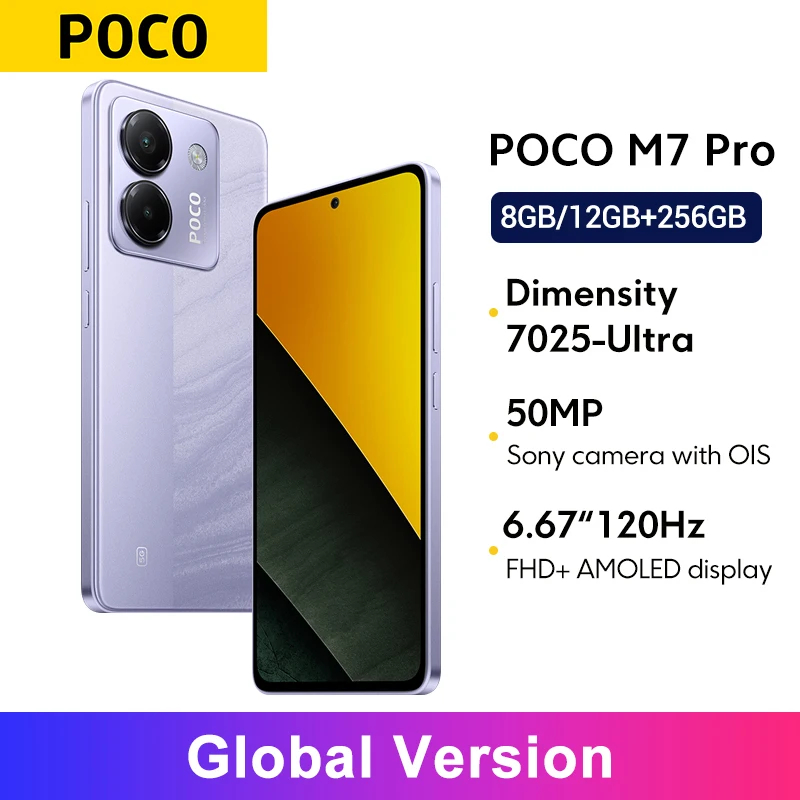
This article explains exactly why Xiaomi phones cost less while still offering premium performance.
1. Low Profit Margin Strategy
Unlike many smartphone brands that aim for high profit margins per device, Xiaomi operates on a low-margin, high-volume strategy. The company has publicly committed to keeping its hardware profit margins minimal.
Instead of maximizing profit on each phone sold, Xiaomi focuses on selling millions of units globally, which allows it to generate revenue through scale rather than inflated pricing.
2. Online-First Sales Model
Xiaomi relies heavily on online sales, especially through its own platforms and trusted marketplaces. By reducing dependence on physical retail stores, the company saves significantly on:
- Retail rent
- Distribution intermediaries
- In-store staffing costs
These savings are directly reflected in lower prices for consumers.
3. Minimal Spending on Traditional Marketing
While competitors invest heavily in television ads, celebrity endorsements, and global sponsorships, Xiaomi takes a different approach.
The brand focuses on:
- Digital marketing
- Social media engagement
- Community-driven promotion
- Word-of-mouth visibility
By avoiding expensive advertising campaigns, Xiaomi dramatically reduces overhead costs.
4. Efficient Supply Chain and Manufacturing
Xiaomi works closely with manufacturing partners and component suppliers, allowing it to negotiate better prices on parts.
Its efficient supply chain management helps:
- Reduce production waste
- Optimize logistics
- Shorten product launch cycles
These efficiencies help keep device costs low without sacrificing performance.
5. Reusing Proven Hardware Designs
Xiaomi often reuses:
- Camera modules
- Displays
- Internal components
- Chassis designs
This practice lowers research and development expenses while maintaining reliable performance. Instead of reinventing every component, Xiaomi improves and refines existing technology.
6. Software Ecosystem Monetization
Rather than relying solely on phone sales, Xiaomi generates long-term revenue through its software ecosystem.
This includes:
- Built-in services
- App partnerships
- Cloud features
- Smart ecosystem integrations
Because Xiaomi earns money after the sale, it can afford to price its hardware more aggressively.
7. Fast Product Refresh Cycles
Xiaomi releases new models frequently. While this may reduce the lifespan of a single flagship, it allows the company to:
- Move inventory quickly
- Adapt to market trends
- Avoid long-term stock storage costs
Older models drop in price rapidly, benefiting budget-conscious consumers.
8. Competitive Mid-Range Focus
Xiaomi excels in the mid-range smartphone segment, where most consumers prioritize value over brand prestige.
By focusing on practical performance rather than luxury branding, Xiaomi delivers devices with:
- Powerful processors
- High-quality displays
- Large batteries
- Fast charging
All at prices competitors struggle to match.
9. Slim Packaging and Accessories Strategy
Xiaomi reduces costs by simplifying packaging and limiting included accessories.
This approach:
- Cuts manufacturing and shipping costs
- Reduces environmental impact
- Helps keep retail prices lower
10. Global Market Expansion Strategy
Xiaomi prices aggressively to enter new markets quickly. Lower prices attract first-time users, build brand loyalty, and expand market share.
Once trust is established, Xiaomi benefits from repeat customers and ecosystem adoption.
Are Cheaper Xiaomi Phones Lower Quality?
No. Xiaomi phones use many of the same components found in more expensive brands. The lower price comes from business efficiency, not compromised quality.
Independent reviews consistently show Xiaomi devices competing directly with higher-priced alternatives in performance, durability, and user satisfaction.
Xiaomi phones are cheaper than competitors because the company prioritizes value, efficiency, and scale over luxury branding and high profit margins. This strategy has allowed Xiaomi to redefine what consumers should expect for their money.
For buyers seeking powerful smartphones without paying premium prices, Xiaomi remains one of the smartest choices in the market.